Empire Heigths, Downtown Dubai, UAE

What Are Empty Leg Flights and Why They Exist

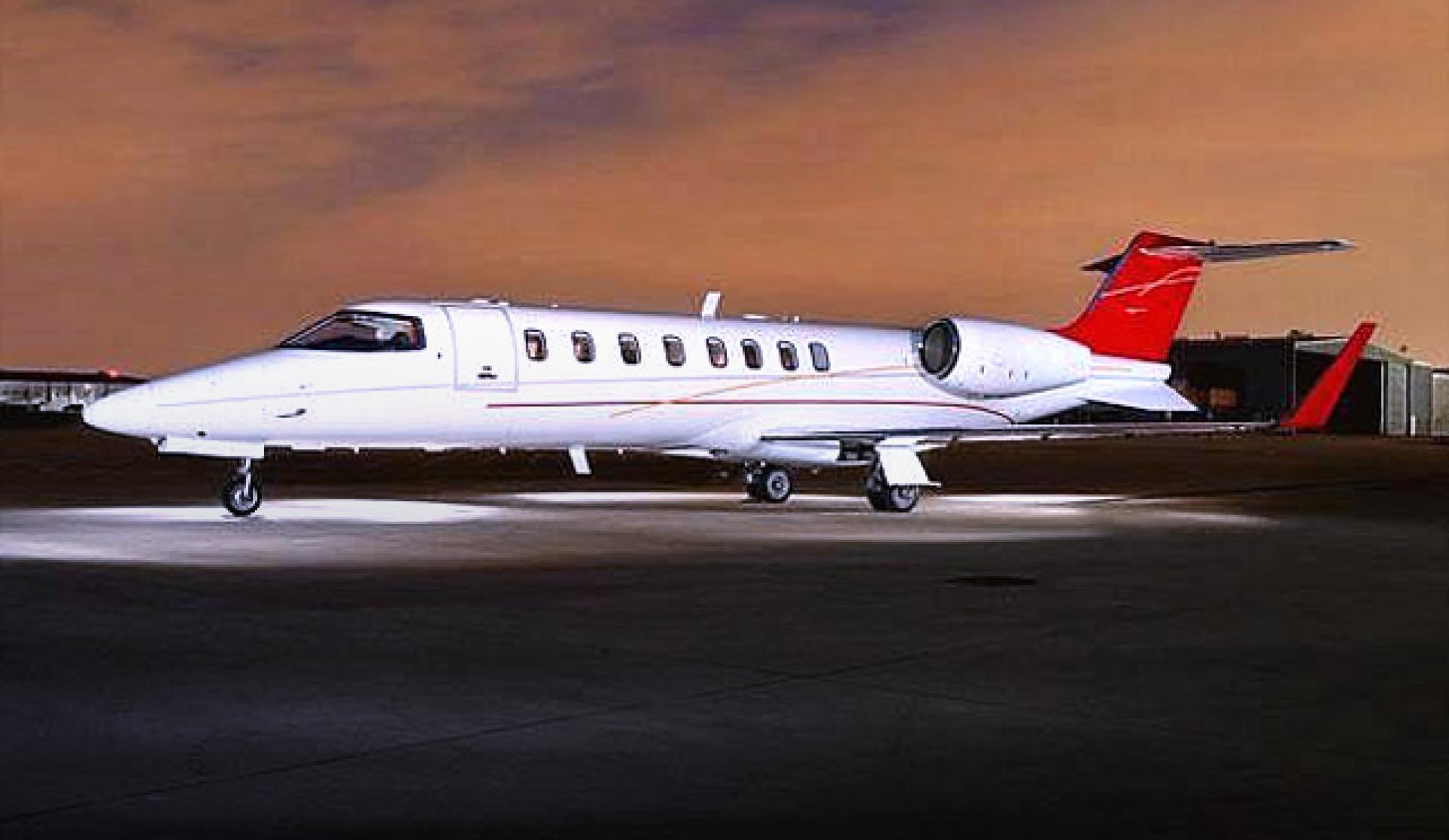
Empty leg flights, also known as repositioning flights, occur when a private jet needs to fly without passengers to either pick up its next client or return to its base after completing a trip. Instead of operating completely empty, operators often make these flights available for booking at significantly reduced prices compared to standard private jet charters. While this concept creates an opportunity for cost-efficient private travel, it is important to understand that empty leg flights are not a traditional service but rather a byproduct of existing charter schedules. This distinction is critical, as it directly affects availability, flexibility, and reliability. For travelers considering this option, the appeal lies in accessing private aviation at a fraction of the usual cost, but doing so requires a clear understanding of both the advantages and the inherent limitations that come with it.
The Key Advantage: Access to Private Jets at Lower Cost

The Key Advantage: Access to Private Jets at Lower Cost

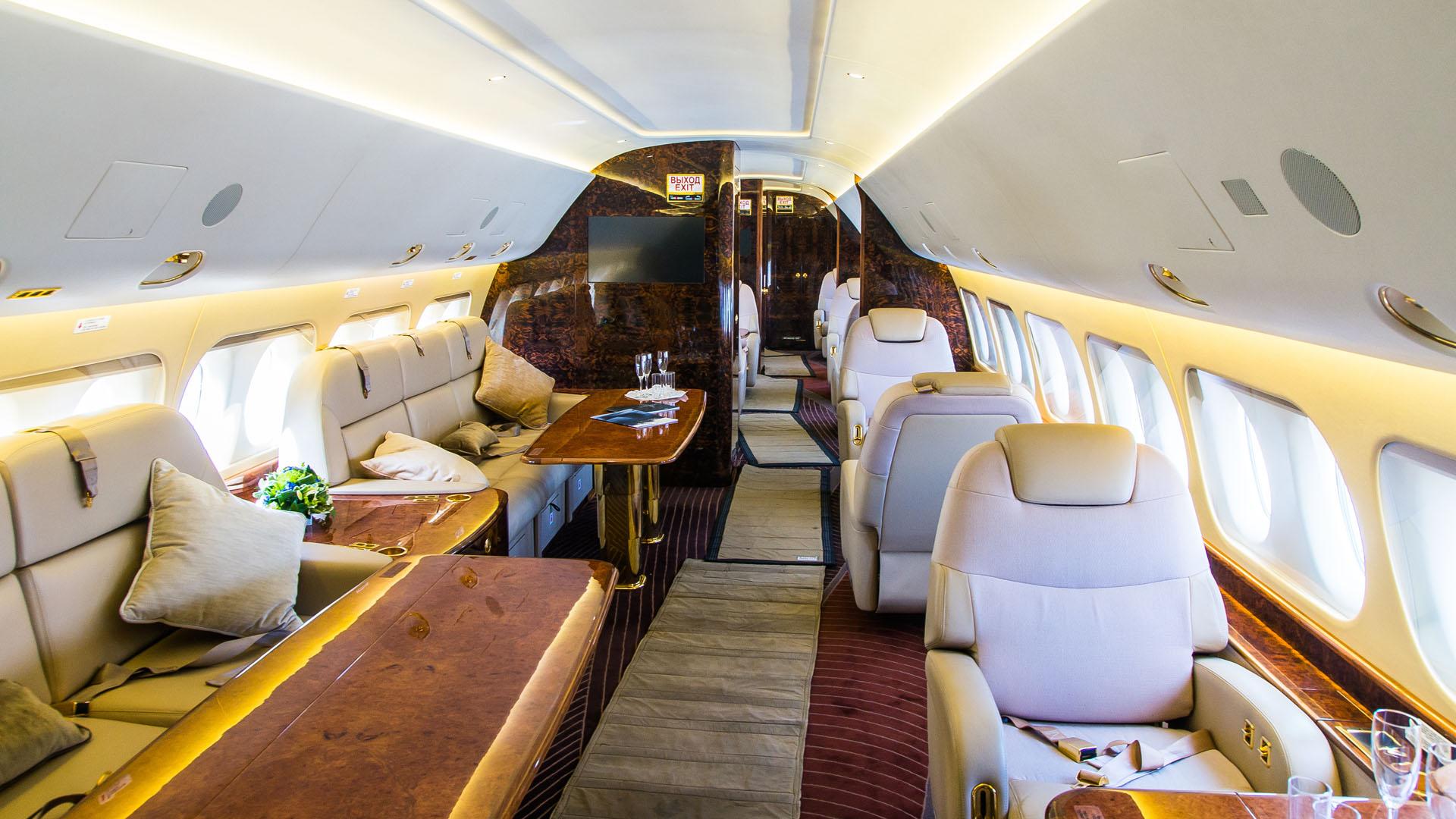
The primary reason empty leg flights attract attention is the significant cost reduction compared to booking a full private charter. Since the aircraft is already scheduled to fly a specific route regardless of passenger presence, operators are willing to offer these seats or entire aircraft at discounted rates to offset operational costs. In some cases, travelers can access private jet experiences at prices comparable to or slightly above business class commercial tickets, depending on the route and aircraft type. This creates a unique opportunity for individuals or small groups to experience private aviation—complete with privacy, speed, and convenience—without committing to the full cost of chartering an aircraft. However, it is important to recognize that this pricing advantage exists because the flight itself is not built around the client’s schedule, but rather offered as an opportunistic solution within an already fixed operational framework.

Limited Flexibility and Fixed Schedules

Limited Flexibility and Fixed Schedules

Despite the pricing advantage, one of the most significant drawbacks of empty leg flights is the lack of flexibility. Unlike traditional private jet charters, where the entire flight is tailored to the client’s preferred departure time, route, and schedule, empty legs are entirely dependent on the aircraft’s pre-existing itinerary. This means that departure times, airports, and destinations are fixed and cannot be adjusted to suit individual preferences. Additionally, these flights are often announced on short notice and may require immediate decision-making, leaving little room for long-term planning. For travelers with rigid schedules or specific routing requirements, this limitation can significantly reduce the practicality of empty leg options. As a result, while the cost savings are attractive, they come at the expense of one of the core benefits of private aviation—complete control over travel arrangements.

Risk of Changes, Delays, or Cancellations

Risk of Changes, Delays, or Cancellations

Another important factor to consider when booking empty leg flights is the higher level of uncertainty compared to standard charters. Because these flights are tied to the primary booking of another client, any changes to the original itinerary can directly impact the empty leg. If the primary client reschedules, cancels, or alters their route, the empty leg flight may be delayed, modified, or cancelled entirely. This introduces a level of risk that is not typically present in dedicated charter bookings, where the client has full control over the aircraft. For travelers who rely on precise timing or have critical commitments, this uncertainty can outweigh the financial benefits. Therefore, empty leg flights are best suited for flexible travelers who can accommodate potential changes without significant disruption.

Who Should Consider Empty Leg Flights

Who Should Consider Empty Leg Flights

Empty leg flights are most suitable for travelers who prioritize cost savings over flexibility and are comfortable adapting their plans to available routes and schedules. They are particularly appealing for leisure travelers, spontaneous trips, or situations where timing is not strictly fixed. Additionally, they can be an effective option for individuals looking to experience private aviation for the first time without committing to the full charter cost. However, for business travelers or those with strict timelines, the limitations associated with availability and reliability may make traditional charter solutions more appropriate. Understanding this distinction is essential, as choosing the wrong option can lead to inconvenience rather than value. Ultimately, empty leg flights should be viewed as a strategic opportunity rather than a guaranteed solution, best utilized when flexibility aligns with availability.

Balancing Opportunity with Practical Considerations

Empty leg flights represent a compelling entry point into private aviation, offering substantial cost advantages while maintaining many of the benefits associated with private travel. However, these advantages are closely tied to operational constraints that limit flexibility and introduce potential risks. For those who understand and accept these trade-offs, empty leg flights can deliver exceptional value and unique travel opportunities. For others who require certainty, control, and customization, traditional charter remains the more reliable option. The key lies in aligning expectations with the nature of the service, ensuring that the chosen solution supports both the purpose of the trip and the level of flexibility available.

Frequently Asked Questions

An empty leg flight is a repositioning flight where a private jet travels without passengers and is offered at a discounted rate.

They can be significantly cheaper than standard charters, sometimes offering savings of 30% to 70% depending on the route and availability.

No, empty leg flights follow a fixed schedule based on the aircraft’s existing itinerary.

They are less reliable than standard charters, as they can be affected by changes to the original booking.

Flexible travelers who can adapt to fixed routes and schedules and are looking for cost savings.