Empire Heigths, Downtown Dubai, UAE

Understanding the Fundamentals of Aircraft Valuation

Aircraft valuation is not a simple pricing exercise but a structured analytical process that determines the market value of an aircraft based on multiple technical, financial, and operational factors. Unlike standard assets, aircraft are highly complex machines whose value fluctuates over time due to usage, maintenance status, regulatory compliance, and broader market demand. Buyers and sellers often assume that price is driven primarily by age or brand, but in reality, valuation depends on a combination of measurable data and market dynamics. A properly conducted valuation provides clarity on whether an aircraft is priced competitively, overvalued, or represents a strategic acquisition opportunity. For investors, operators, and private buyers alike, understanding how aircraft valuation works is essential to making informed decisions and avoiding costly miscalculations.
Aircraft Age, Flight Hours, and Usage Profile

Aircraft Age, Flight Hours, and Usage Profile

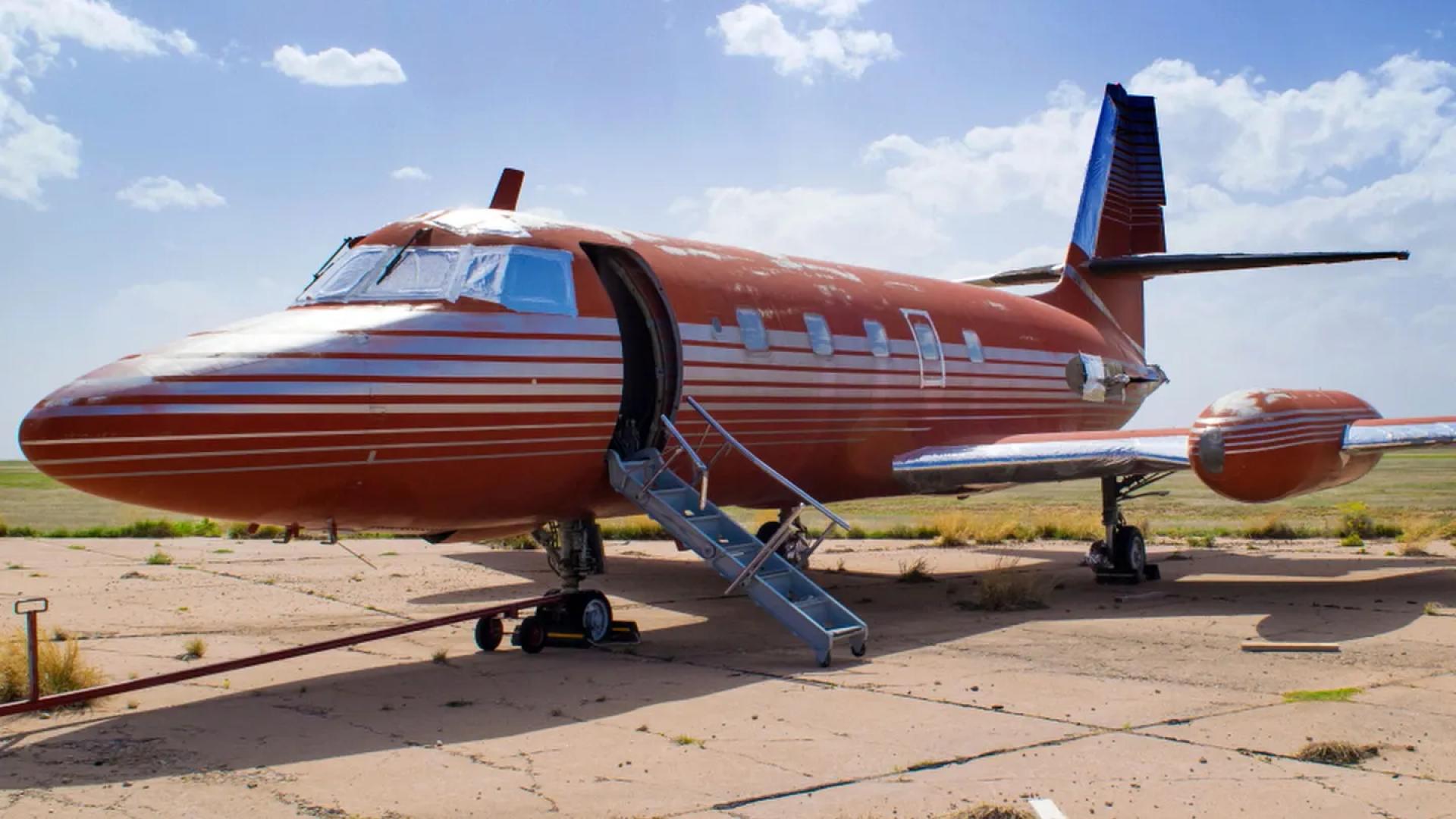
One of the most fundamental components of aircraft valuation is its operational history, particularly age, total flight hours, and usage patterns. While newer aircraft generally command higher prices, age alone does not determine value; an older aircraft with well-managed operations and lower utilization can sometimes be more valuable than a newer one with heavy usage. Flight hours and cycles directly impact engine life, structural fatigue, and future maintenance requirements, making them critical indicators for buyers. Additionally, how the aircraft has been used—whether for private travel, corporate operations, or high-frequency charter—plays a significant role in assessing wear and long-term reliability. A balanced evaluation considers not just how long the aircraft has existed, but how intensively it has been operated, as this ultimately influences both current market value and future ownership costs.

Maintenance History and Technical Condition

Maintenance History and Technical Condition

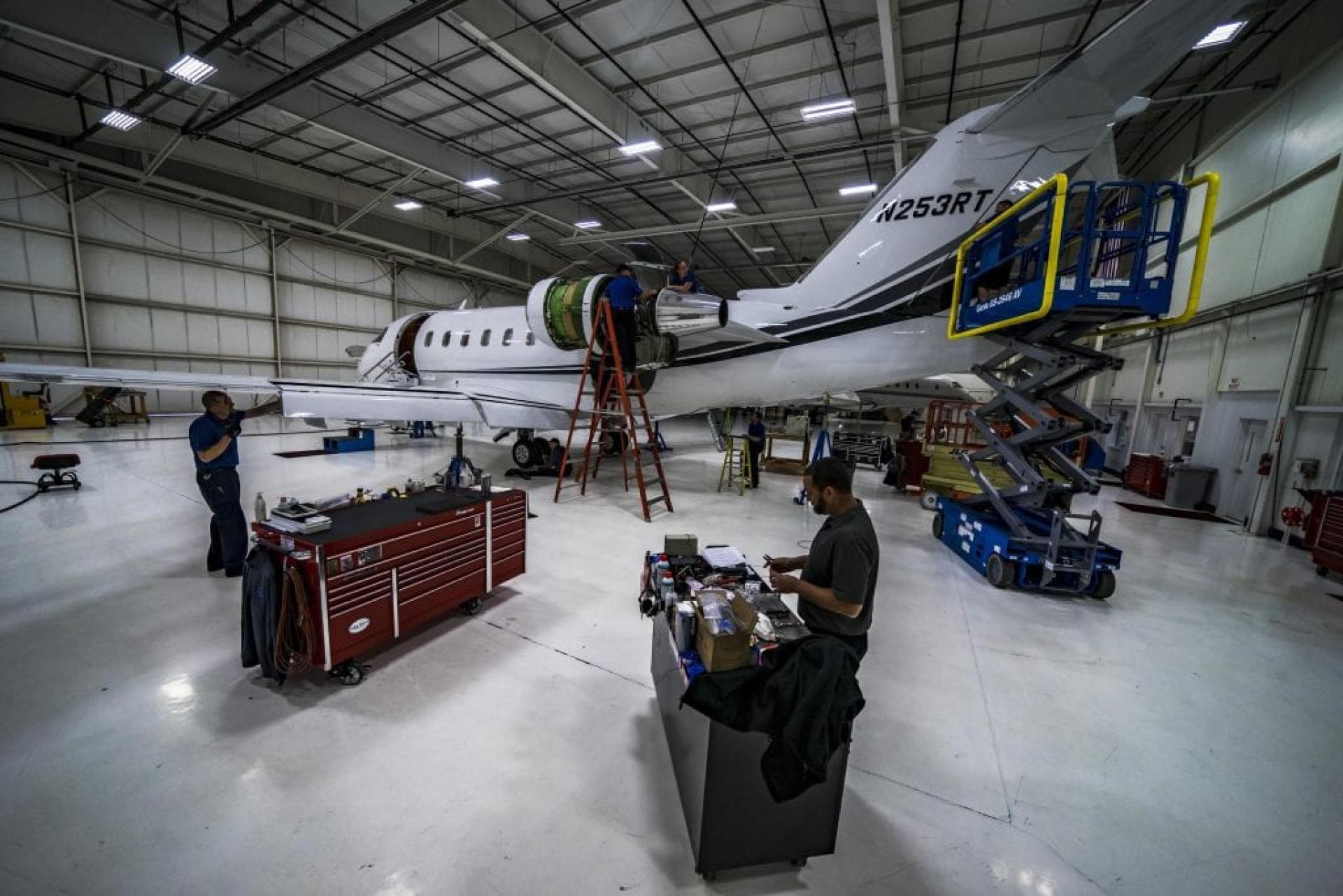
Maintenance status is one of the most influential factors in aircraft valuation, often carrying more weight than age or brand alone. Aircraft that are enrolled in recognized maintenance programs and have complete, well-documented service records are significantly more attractive in the market, as they reduce uncertainty and future risk for buyers. Major maintenance events, such as engine overhauls or structural inspections, can substantially affect value depending on whether they have been recently completed or are approaching. An aircraft nearing expensive maintenance requirements will typically be priced lower to reflect these upcoming costs, while one that has recently undergone major servicing may command a premium. Technical condition is not only about compliance but also about predictability; buyers are willing to pay more for aircraft that offer clear, transparent, and well-maintained operational histories.

Market Demand, Model Popularity, and Liquidity

Market Demand, Model Popularity, and Liquidity

Aircraft valuation is also heavily influenced by external market conditions, including demand for specific models, production trends, and overall liquidity in the aviation market. Certain aircraft models retain value better due to strong reputations for reliability, efficiency, or operating cost advantages, making them more desirable among buyers. Conversely, models that are less popular or have been phased out may experience steeper depreciation due to limited demand or reduced support availability. Market cycles also play a role, as economic conditions, fuel prices, and global travel trends can influence buyer activity and pricing levels. Liquidity—how easily an aircraft can be sold—is a critical but often overlooked factor, as aircraft with strong market demand tend to maintain more stable valuations over time. Understanding these broader dynamics is essential for accurately assessing both current value and future resale potential.

Configuration, Upgrades, and Ownership Structure

Configuration, Upgrades, and Ownership Structure

Beyond technical and market factors, the specific configuration of an aircraft and its ownership structure can significantly impact valuation. Interior design, cabin layout, avionics upgrades, and onboard features all contribute to how attractive the aircraft is to potential buyers. Aircraft with modernized interiors and updated systems often command higher prices, as they reduce the need for immediate refurbishment and align better with current market expectations. Additionally, ownership structure—including registration jurisdiction, tax considerations, and operational setup—can influence both valuation and transaction complexity. Some configurations may limit operational flexibility or increase administrative burdens, which can reduce buyer interest. A comprehensive valuation therefore considers not only the physical attributes of the aircraft but also how easily it can be integrated into a new owner’s operational and financial framework.

Valuation as a Strategic Decision Tool

Aircraft valuation should not be viewed solely as a pricing mechanism, but as a strategic tool that informs both acquisition and exit decisions. A well-executed valuation provides insight into market positioning, potential risks, and long-term financial implications, allowing buyers and sellers to negotiate with confidence. For buyers, it ensures that the aircraft aligns with both operational needs and investment expectations, while for sellers, it helps position the asset competitively in the market. In an industry where transactions involve significant capital and long-term commitments, relying on accurate valuation is essential to achieving optimal outcomes. Ultimately, understanding how aircraft valuation works transforms the process from guesswork into a structured, data-driven decision.

Frequently Asked Questions

Aircraft value is determined by factors such as age, flight hours, maintenance history, technical condition, market demand, and configuration.

Not necessarily; well-maintained older aircraft with lower usage can retain strong value compared to heavily used newer models.

It reduces risk for buyers and indicates future maintenance costs, directly impacting market price.

Yes, modern interiors and updated avionics can enhance market appeal and improve valuation.

Aircraft should be revalued periodically, especially before sale, purchase, or major operational changes.