Empire Heigths, Downtown Dubai, UAE

Super Bowl LX Triggers One of the Largest Private Aviation Demand Surges

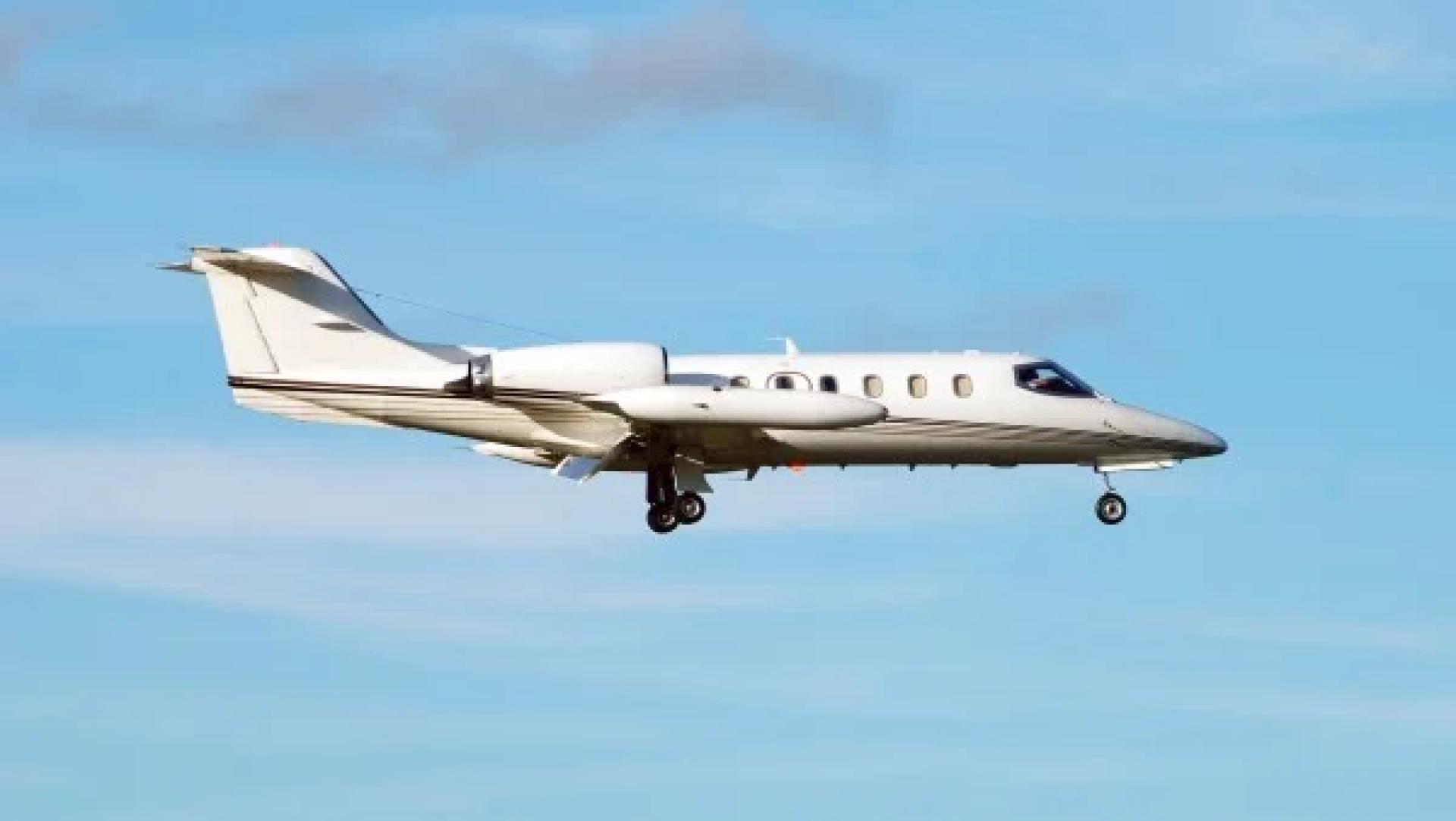
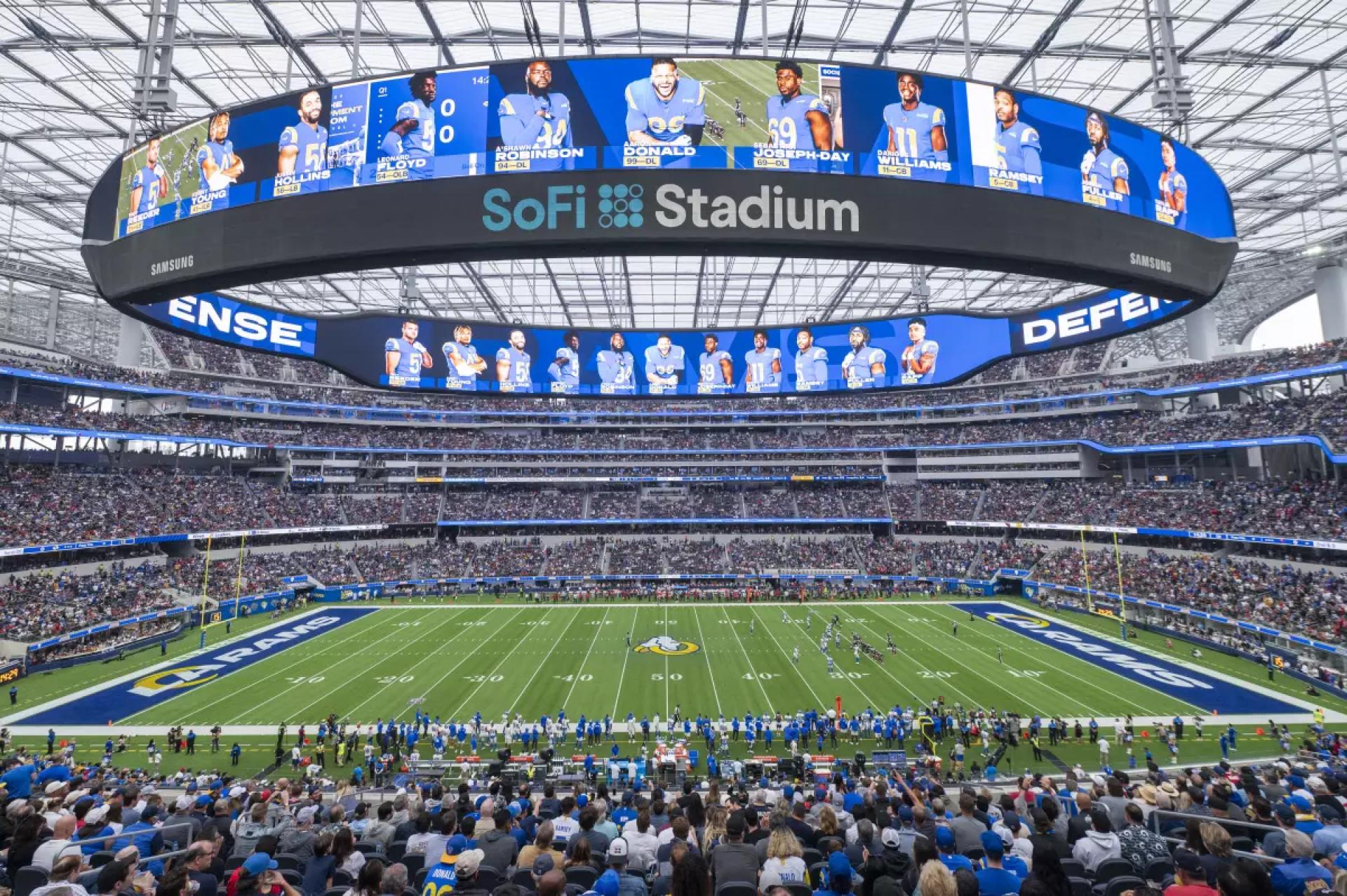
The Super Bowl has long been one of the most powerful demand drivers in private aviation, and the most recent edition in the San Francisco Bay Area once again confirmed this pattern at scale. According to reporting from sources such as FAA, SFGATE, and FlightRadar24, the event generated an extraordinary surge in private jet activity, forcing regulators to implement special air traffic procedures across multiple regional airports. Authorities anticipated thousands of additional takeoffs and landings within a short operational window, with hundreds of aircraft distributed across a network of surrounding airports rather than a single hub. This level of activity reflects not a marginal increase, but a structural demand shock that transforms regional airspace into a highly constrained environment. The Super Bowl is therefore not just a sporting event in aviation terms, but a predictable and repeatable surge that tests infrastructure, pricing mechanisms, and operator readiness at scale.
Traffic Surges Reach Several Times Normal Levels

Traffic Surges Reach Several Times Normal Levels

The scale of private aviation demand during the Super Bowl is best understood not in percentages, but in multiples of normal traffic levels. Data from recent events demonstrates that activity can increase five to six times above baseline in the days surrounding the game. In one recent Super Bowl, more than 600 business jet arrivals were recorded over a single weekend compared to roughly 100 on a typical weekend. Departure activity immediately after the event is even more concentrated, with hundreds of aircraft leaving within a narrow time window, creating one of the most intense traffic peaks seen in business aviation.

For the most recent Super Bowl, flight tracking data showed post-game departures increasing dramatically compared to the previous week, with some measurements indicating growth of over ten times the usual traffic level within specific timeframes. This confirms that the “Super Bowl effect” is not a minor demand increase, but a highly concentrated surge that compresses a large volume of operations into a short and predictable period.

Airport Capacity and Parking Become the Real Bottleneck

Airport Capacity and Parking Become the Real Bottleneck

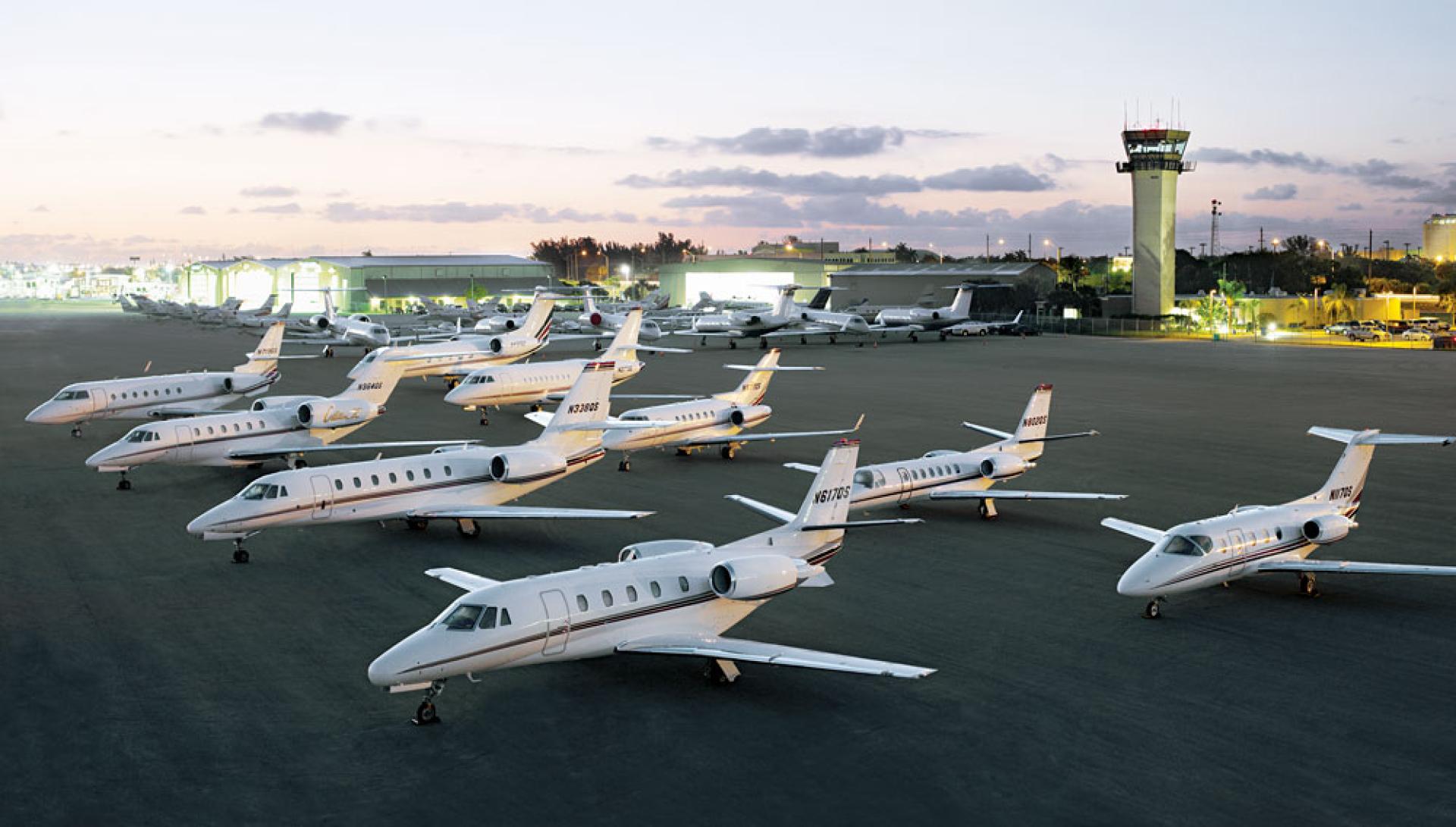
While aircraft demand increases sharply during major events, the primary constraint quickly shifts from aircraft availability to airport infrastructure. Parking space, ramp capacity, and departure slots become scarce resources, forcing operators to distribute aircraft across multiple airports and coordinate complex logistics. In the case of the most recent Super Bowl, aircraft were spread across numerous airports in the region, highlighting the inability of any single airport to absorb the full demand.

This constraint is not new. Previous Super Bowl events have demonstrated that parking demand can exceed available capacity, forcing operators to adopt strategies such as drop-and-go operations or repositioning aircraft to secondary locations. As a result, infrastructure limitations become a key driver of operational complexity and pricing, reinforcing the premium nature of private aviation during such events.

Pricing Expands Beyond Charter Rates Into Full Event Economics

Pricing Expands Beyond Charter Rates Into Full Event Economics

The pricing environment during Super Bowl events reflects a multi-layered structure rather than a simple increase in hourly charter rates. While flight costs rise due to demand, a significant portion of the price escalation comes from additional factors such as special event fees, handling charges, and parking costs. Industry reports indicate that these fees can reach into the five-figure range depending on aircraft size and airport location, significantly increasing the total cost of travel.

Charter flights themselves also reflect premium pricing, with total trip costs reaching six-figure levels for certain routes and aircraft types. This combination of elevated charter rates and infrastructure-driven fees creates a unique economic environment where revenue is generated not only through flight activity but also through the scarcity of operational resources. The Super Bowl therefore acts as a full-spectrum pricing event across the private aviation ecosystem.

Pre-Positioning and Early Booking Define Successful Operators

Pre-Positioning and Early Booking Define Successful Operators

The predictability of Super Bowl demand allows experienced operators to plan strategically rather than reactively. Aircraft are often positioned in advance at key locations to ensure availability and minimize repositioning costs during peak demand periods. At the same time, operators focus on securing high-value clients well before the event, effectively locking in revenue and reducing exposure to last-minute competition.

This proactive approach transforms the event into a structured business opportunity rather than a short-term demand spike. Operators that fail to prepare risk losing access to critical infrastructure resources such as parking and slots, while those that plan effectively are able to maximize utilization and pricing. The ability to anticipate demand and allocate assets accordingly becomes a defining factor in capturing value during event-driven surges.

Private Aviation Becomes a High-Pressure Logistics Network

Private Aviation Becomes a High-Pressure Logistics Network

During the Super Bowl, private aviation shifts from a service-based model to a highly coordinated logistics network operating under pressure. The concentration of demand requires precise coordination across multiple variables, including airport access, fuel supply, crew scheduling, and ground handling. Unlike normal operations, where flights are distributed over time, the Super Bowl compresses activity into a narrow window, increasing the complexity of execution.

This environment highlights the operational sophistication required to manage large-scale demand surges. It is no longer just about providing aircraft, but about orchestrating a network of interconnected resources under constrained conditions. The Super Bowl effectively acts as a stress test for the private aviation industry, revealing both its strengths and its limitations.

Clear Evidence That Private Aviation Demand Is Event-Driven

Clear Evidence That Private Aviation Demand Is Event-Driven

The Super Bowl provides one of the clearest demonstrations that private aviation demand is both event-driven and highly predictable. Unlike steady-state travel demand, activity in this sector can concentrate around major events, creating sharp spikes that generate disproportionate revenue opportunities. For operators, this pattern offers a repeatable strategy: anticipate demand, secure clients early, and adjust pricing dynamically to reflect scarcity.

At the same time, it reinforces a broader industry reality. Private aviation demand is not evenly distributed but shaped by key moments that drive intense, short-term activity. Understanding these patterns is essential for operators seeking to optimize performance, as the ability to capitalize on event-driven demand can significantly influence overall profitability and market positioning.

Frequently Asked Questions

Super Bowl high private jet demand occurs because the event attracts high-net-worth individuals, executives, and celebrities to a single location within a very short timeframe, creating concentrated travel demand.

Super Bowl private jet traffic increases several times above normal levels, often reaching five to ten times typical activity depending on the location and timing.

Super Bowl private jet prices rise due to limited aircraft availability, airport capacity constraints, high demand, and additional event-related fees such as parking and handling charges.

Private jet operators prepare in advance by pre-positioning aircraft, securing high-value clients early, and planning operations around expected traffic surges.

Super Bowl demand patterns are not unique, but the event is one of the most consistent and extreme examples of event-driven private aviation demand.