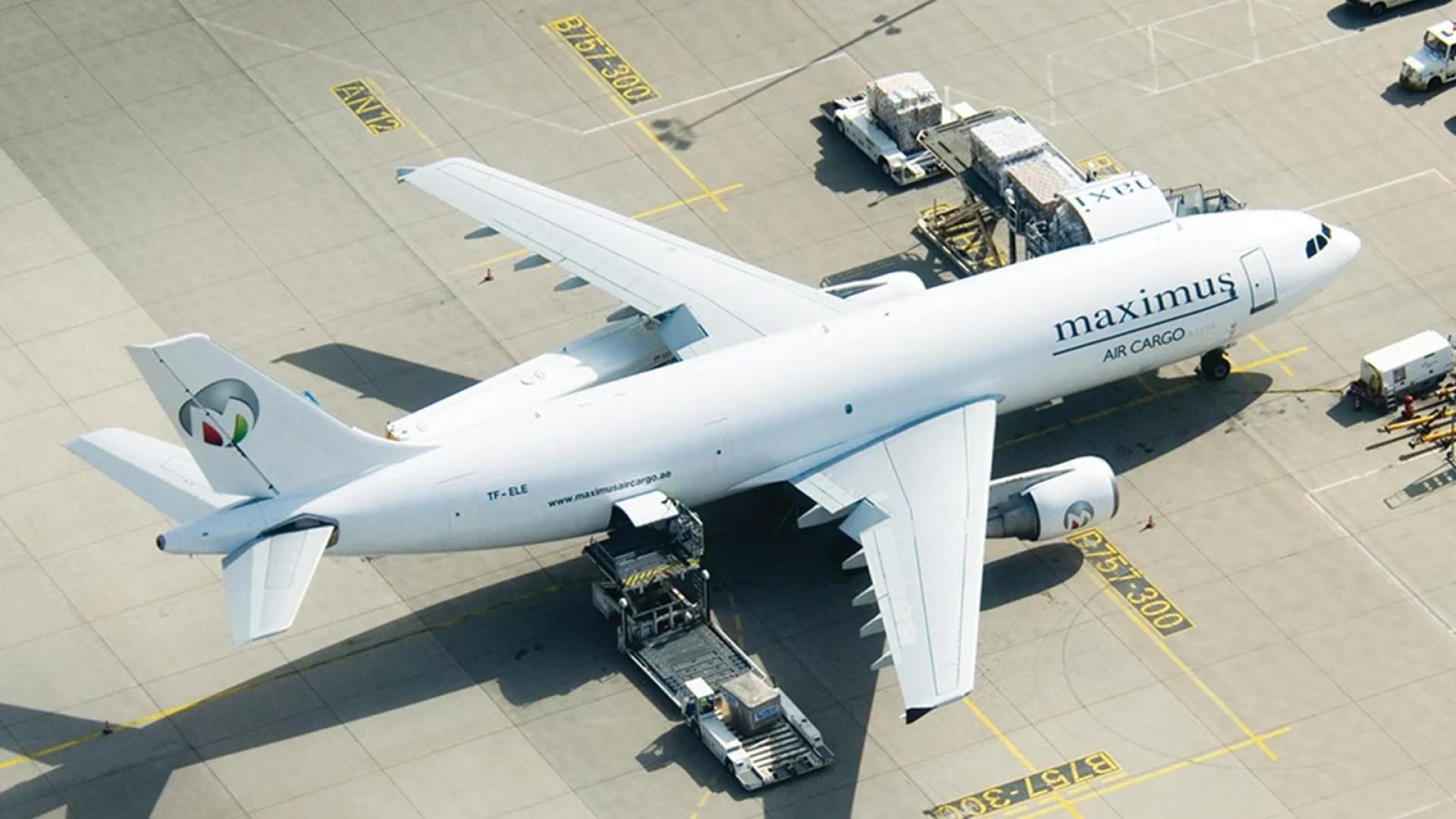
Empire Heigths, Downtown Dubai, UAE

Understanding Air Cargo Options: Charter vs Scheduled Freight

Air cargo transportation is often associated with scheduled freight airlines, which provide a reliable and cost-effective solution for standard shipping needs. However, there are situations where these traditional options become restrictive due to fixed schedules, limited routing flexibility, or capacity constraints. In such cases, air cargo charter emerges as a strategic alternative, offering a tailored logistics solution designed around urgency, cargo type, and operational requirements. Understanding when to shift from conventional freight services to a chartered aircraft is critical for businesses that depend on speed, precision, and control in their supply chains.
Urgent and Time-Critical Shipments

Urgent and Time-Critical Shipments

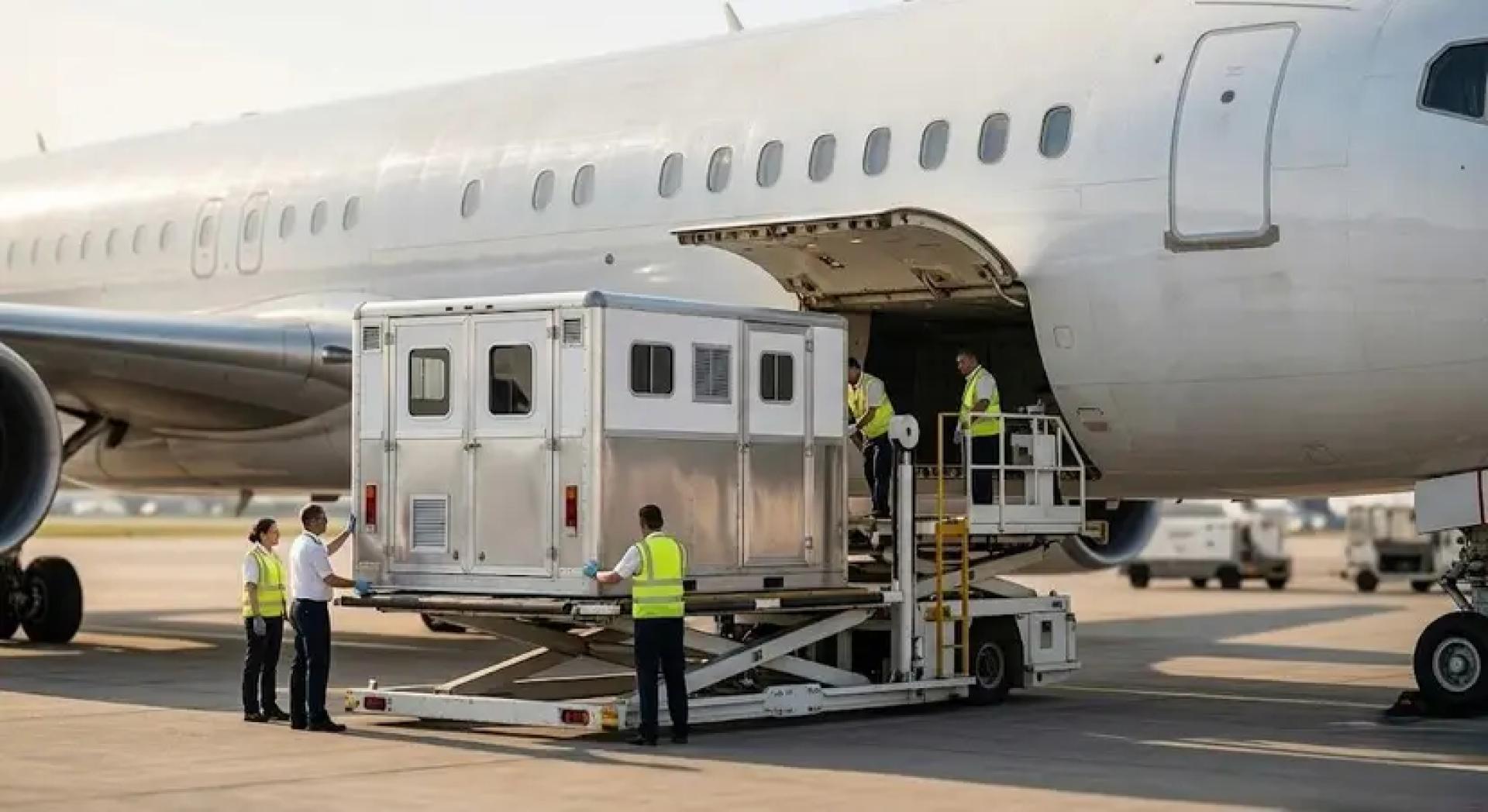
One of the most common scenarios where air cargo charter becomes the preferred option is in handling urgent or time-sensitive shipments that cannot align with standard airline schedules. Freight airlines operate on fixed timetables, which may not accommodate last-minute or emergency logistics requirements. In contrast, cargo charter allows for immediate aircraft deployment, often within hours, ensuring that critical goods reach their destination without delay. This is particularly relevant in industries such as healthcare, where medical supplies, pharmaceuticals, or life-saving equipment must be transported under strict time constraints. It also applies to manufacturing sectors where production downtime can result in substantial financial losses if essential components are delayed. By eliminating scheduling limitations and prioritizing speed, cargo charter provides a level of responsiveness that traditional freight services simply cannot match, making it the optimal solution when timing is non-negotiable.

Oversized, Heavy, or Special Cargo

Oversized, Heavy, or Special Cargo

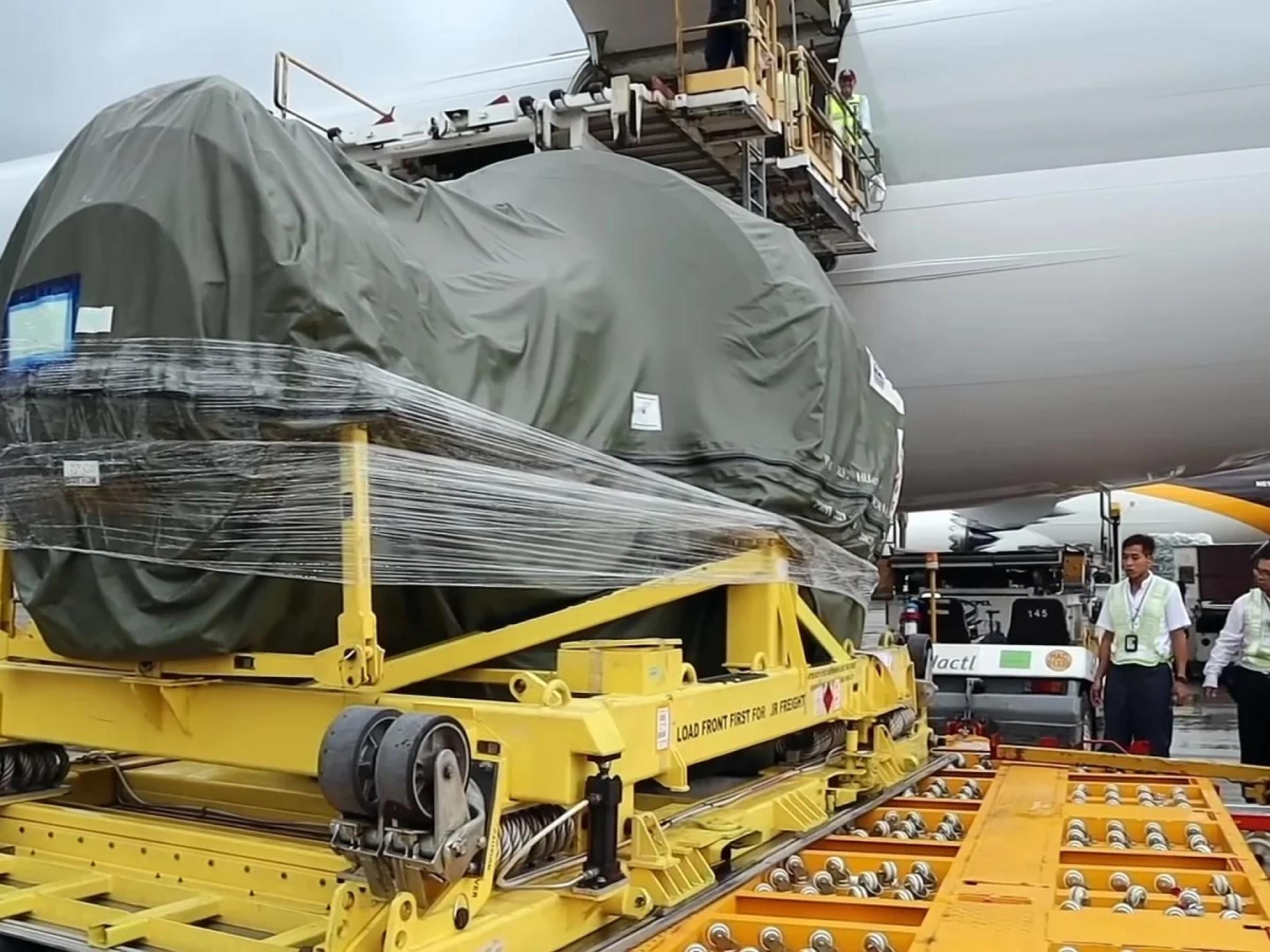
Air cargo charter is also the preferred solution when dealing with oversized, heavy, or unconventional cargo that exceeds the limitations of standard freight aircraft. Scheduled airlines are restricted by predefined cargo dimensions, weight limits, and loading configurations, which can make it difficult or even impossible to transport large machinery, industrial equipment, or specialized project cargo. Charter aircraft, on the other hand, can be selected specifically to accommodate these requirements, including options with nose-loading capabilities or wide cargo doors that simplify handling. Additionally, sensitive cargo such as hazardous materials, high-value goods, or temperature-controlled shipments often require customized handling procedures that are not always feasible within commercial freight operations. By offering aircraft flexibility and tailored logistics planning, cargo charter ensures that even the most complex shipments can be transported safely and efficiently without compromise.

Remote Destinations and Limited Routes

Remote Destinations and Limited Routes

Another key advantage of cargo charter lies in its ability to reach destinations that are not well-served by scheduled freight networks. Freight airlines typically operate between major cargo hubs, leaving secondary or remote locations underserved or requiring multiple transit points that increase both delivery time and risk of damage. Charter flights eliminate this limitation by enabling direct routing to airports that are closer to the final destination, even if they are not part of standard airline networks. This is particularly valuable for industries operating in remote regions, such as energy, mining, or infrastructure development, where logistics challenges are often compounded by geographic constraints. By reducing the need for multiple transfers and minimizing transit complexity, cargo charter enhances both efficiency and reliability, ensuring that shipments arrive intact and on time.

Security, Control, and Dedicated Capacity

Security, Control, and Dedicated Capacity

In situations where cargo security, exclusivity, and control are critical, air cargo charter offers a level of assurance that scheduled freight services cannot provide. When shipping through commercial airlines, cargo is typically consolidated with other shipments, increasing the risk of delays, handling errors, or exposure to external factors. Chartering an aircraft provides dedicated capacity, meaning the entire aircraft is reserved for a single shipment or client, significantly reducing handling touchpoints and transit risks. This is particularly important for high-value goods such as luxury products, confidential documents, or sensitive equipment that require controlled environments and strict monitoring. Additionally, charter solutions allow for precise scheduling, customized handling procedures, and real-time coordination, giving businesses full visibility and control over the logistics process. This level of control is often a decisive factor when reliability and security outweigh cost considerations.

Conclusion

While scheduled freight airlines remain an efficient solution for routine shipments, they are not designed to handle every logistical challenge. Air cargo charter becomes the preferred choice when speed, flexibility, cargo complexity, or operational control are critical factors. By offering tailored routing, dedicated capacity, and the ability to respond immediately to changing requirements, charter solutions fill the gaps left by traditional freight services. For businesses operating in high-stakes environments, understanding when to utilize cargo charter is not just a logistical decision, but a strategic one that can directly impact efficiency, cost management, and overall operational performance.

Frequently Asked Questions

Air cargo charter is ideal when shipments are urgent, oversized, require special handling, or need to reach destinations not served by standard freight routes.

Yes, charter flights can be arranged immediately and operate on flexible schedules, eliminating delays caused by fixed airline timetables.

Oversized equipment, hazardous materials, temperature-sensitive goods, and high-value shipments often require charter due to their specific handling needs.

Typically yes, but the added cost is justified in situations where speed, security, or flexibility are critical.

Yes, charter aircraft can access a wider range of airports, including those not serviced by scheduled freight airlines.